

We strive to build a diverse school where students exercise their curiosity and imagination as they develop as scholars, artists, and athletes. In a community that cultivates the practices of keen observation, unhurried reflection, critical thinking, and coherent expression, we listen for the single voice as we seek unity. The disciplines of silence, study and service provide the matrix for growth: silence opens us to change; study helps us to know the world; service challenges us to put our values into practice. At Friends Seminary, education is rooted in the Quaker belief in the Inner Light – that of God in every person. Guided by the testimonies of integrity, peace, equality, and simplicity, we prepare students to engage in the world that is and to help bring about a world that ought to be.
Adopted December 2015
We strive to build a diverse school
Diversity is both a reflection of the city we call home and a vital expression of our mission. At Friends Seminary, we seek to create a community that mirrors the richness of New York City—its cultures, languages, perspectives, and traditions. In this environment, curiosity meets courage: students learn to ask questions across differences, to listen deeply, and to engage perspectives that challenge their own. Diversity enriches dialogue, sharpens critical thinking, and expands empathy, preparing students to navigate and lead in a complex world. Rooted in the Quaker belief that there is “that of God” in every person, our commitment to diversity affirms the dignity and worth of all, and strengthens the bonds of community we share.
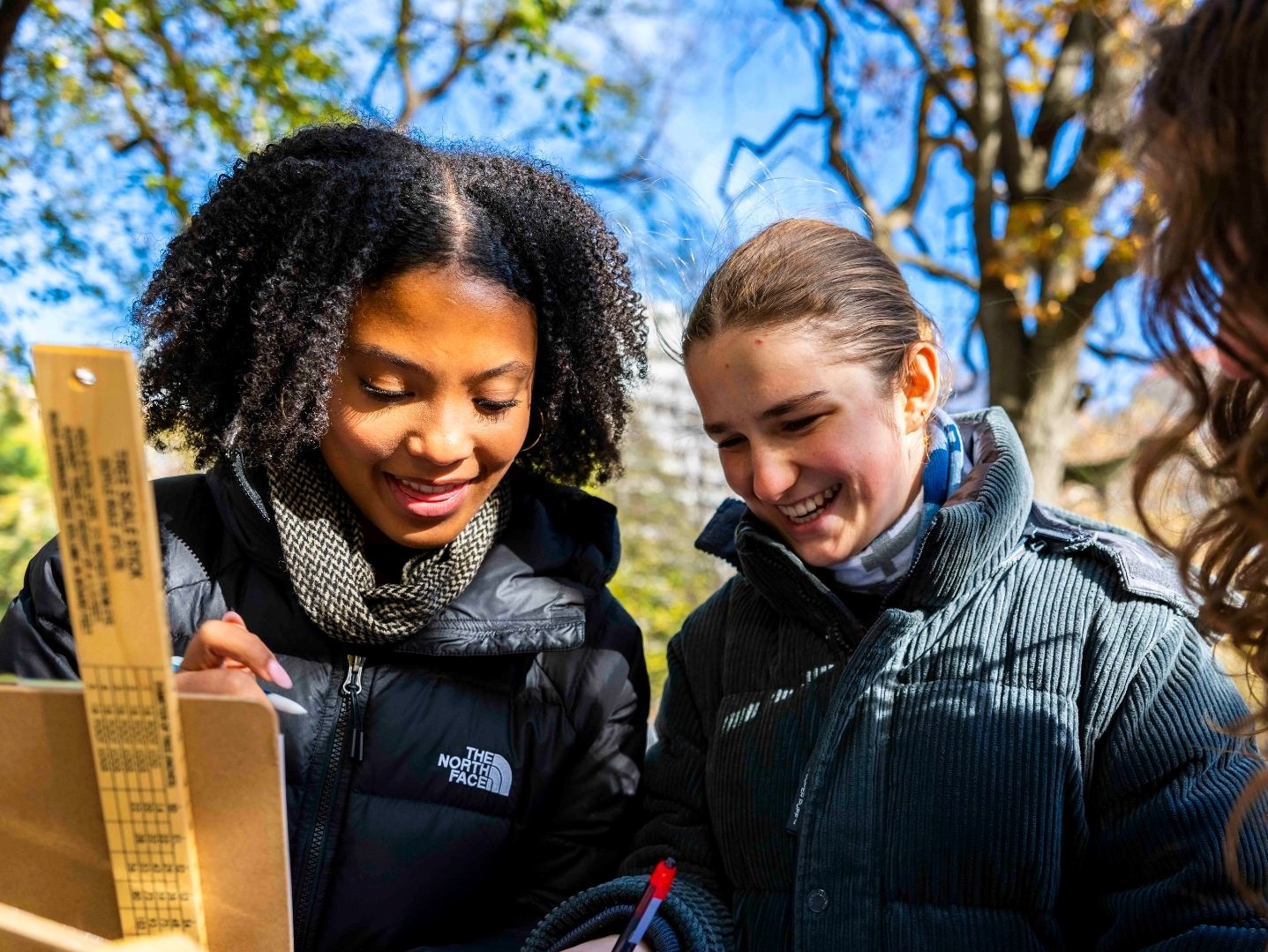
Students exercise their curiosity and imagination
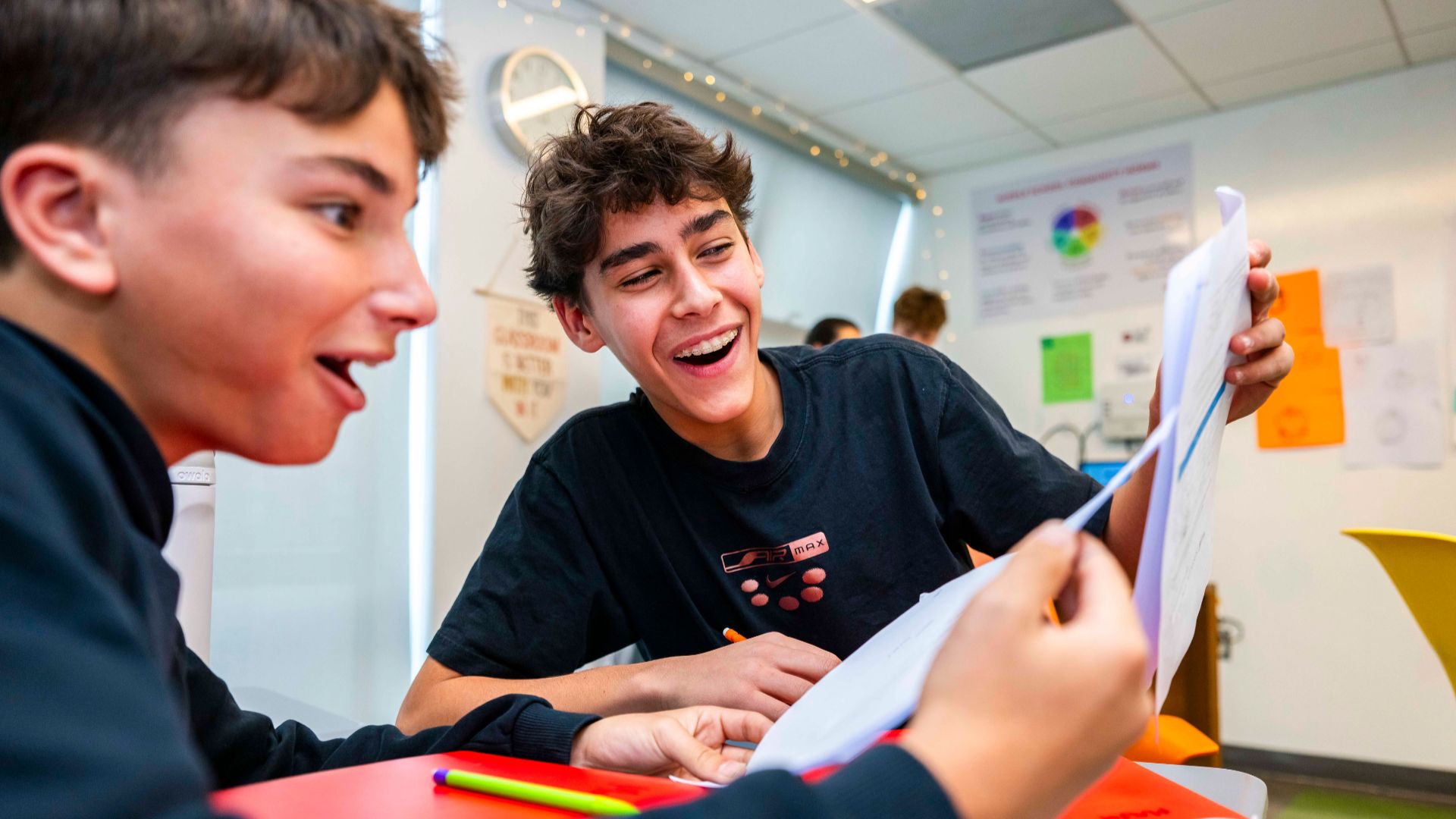
At Friends Seminary, curiosity is not simply encouraged—it is expected and nurtured. Students are invited to ask questions, wonder boldly, and explore the world with imagination as their compass. Whether through hands-on experiments, spirited dialogue, or creative expression, learning here begins with a spirit of inquiry. This approach, grounded in Quaker belief in continuing revelation, affirms that truth is revealed through experience, discovery, and community. Curiosity and imagination become tools not only for academic growth, but also for nurturing empathy, resilience, and joy.
Scholars, artists, and athletes
We believe that every student is many things at once: a scholar, an artist, an athlete, and much more. In the classroom, in the studio, on the stage, and on the field, students learn to balance intellect with creativity, discipline with play, and individual achievement with collective endeavor. Friends Seminary cultivates a culture where the pursuit of excellence in one arena strengthens growth in the others. This integrated approach reflects our conviction that the whole child must be educated—mind, body, and spirit—and that each student carries multiple gifts waiting to be discovered and shared.

Silence, study, and service
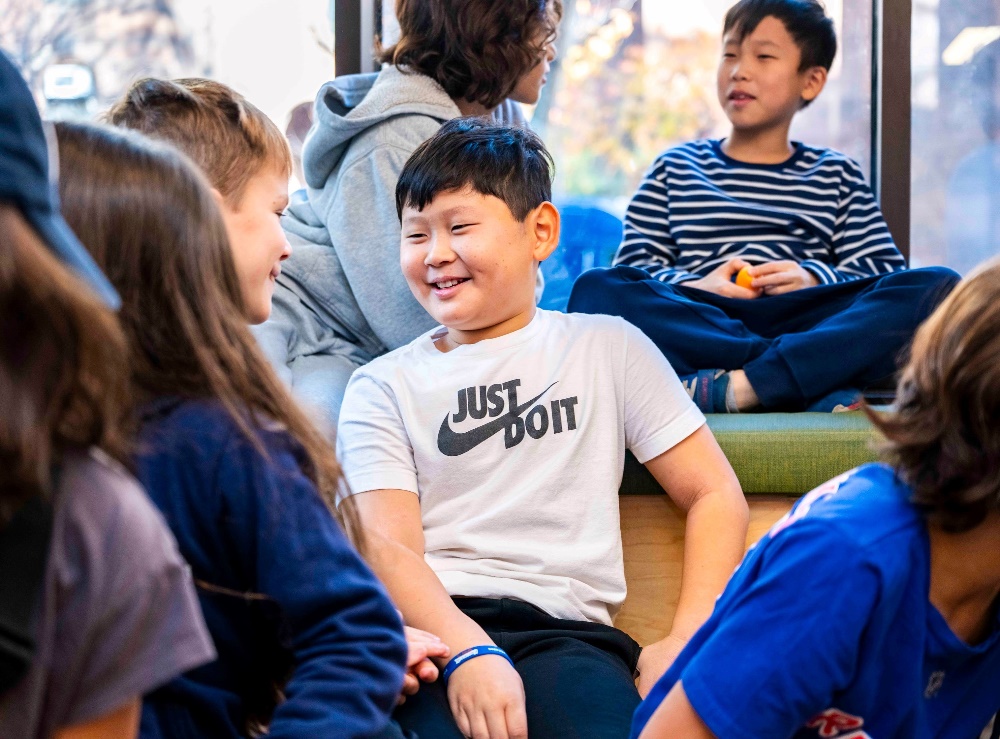
Silence, study, and service are the cornerstones of a Friends education. In silence, students pause and listen—to themselves, to one another, and to the voice of the Inner Light — cultivating habits of reflection and discernment. Through study, they engage deeply with ideas, sharpening their intellect and expanding their understanding of the world. In service, they put values into action, working alongside others to strengthen community and advance justice. Woven together, these practices nurture students who are thoughtful, compassionate, and prepared to live with purpose.
We prepare students to engage in the world that is and to help bring about a world that ought to be.
Friends Seminary holds a dual charge: to prepare students to thrive in the realities of the present world and to empower them to imagine and create a more just and compassionate future. Students learn to navigate complexity with integrity, to speak truth with courage, and to listen with humility. At the same time, they are called to envision what the world might become when peace, equality, and stewardship are lived fully. This balance of readiness and aspiration reflects our Quaker heritage—one that insists education is not only for personal advancement, but for the transformation of society itself.