

Friends (n.)
In the context of our name, “Friends” refers to the Religious Society of Friends, commonly known as Quakers. Friends believe that every person carries an Inner Light, and that education should nurture each individual’s capacity for reflection, compassion, inquiry, and integrity. These principles shape how our community learns and lives together.
Seminary (n.)
When Friends Seminary was founded in 1786, “seminary” meant a place of learning and growth—a seedbed where intellect and character could be cultivated. Our name reflects this original meaning. Today, it signals a long tradition of nurturing students through thoughtful scholarship, reflection, and moral purpose.
These words shape more than our history; they guide our daily practice.
To be a Friends school is to believe deeply in the inherent worth and potential of every child. It is to combine rigorous academics with reflection, discernment, and a commitment to understanding multiple perspectives. And it is to cultivate a community where curiosity inspires inquiry, and courage invites students to explore new ideas and take thoughtful action in the world.
Why Quaker Education Matters Today
A Tradition Turned Toward Tomorrow
Quaker education is now entering its fourth century, yet it feels more relevant today than at any moment in its long history. We live in a world where change is constant—dynamic, diverse, interconnected, and full of both challenge and possibility. To meet a future none of us can fully predict, we believe education must help children learn to be fully human: to think clearly, feel deeply, discern wisely, and act with integrity.
Quakerism offers a generous, expansive view of human potential. It teaches that each person carries an Inner Light—and that, with the right balance of guidance and independence, students can cultivate intellect, character, emotional intelligence, imagination, and moral purpose. In this way, Quaker education prepares young people not simply for the next grade, but for a life rooted in meaning, understanding, and contribution.
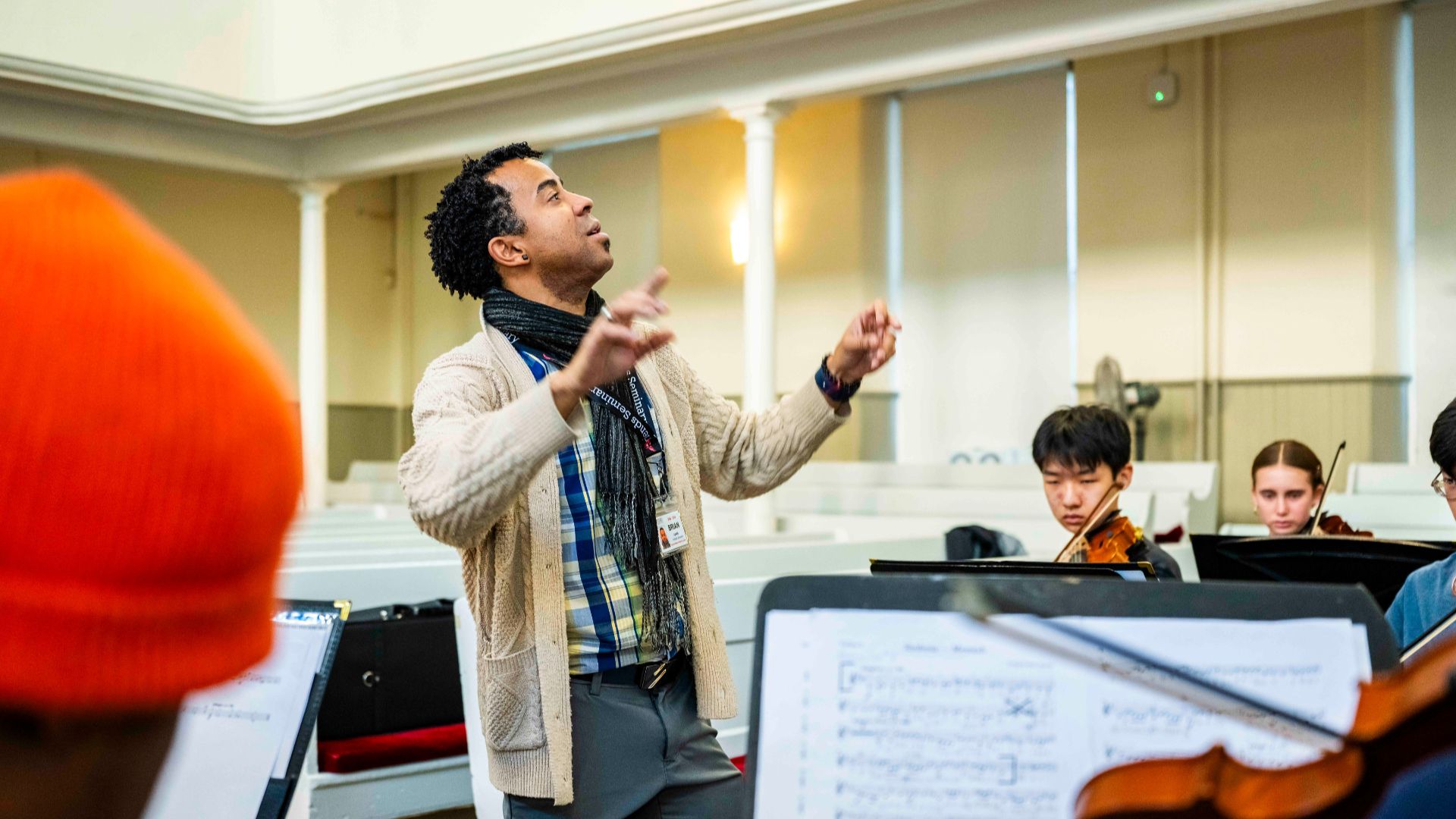
Teaching Students How to Think
In a world flooded with information and noise, Quaker education rests on a tradition of discernment—an active, ongoing search for truth. At its core is a deceptively simple but transformative question: What do you know, and how do you know it?
This approach teaches students to surface assumptions, test ideas, and remain open to deeper understanding. Knowledge is never fixed; it is something we approach collaboratively and refine through inquiry. Over time, this becomes a habit of mind. Students learn to navigate ambiguity, engage multiple perspectives, and pose the questions that matter most.
These skills—reflection, critical thinking, courage in the face of complexity—are essential preparation for a world that increasingly rewards those who can bring coherence to uncertainty and imagine new possibilities.
Stillness That Helps Students See Clearly
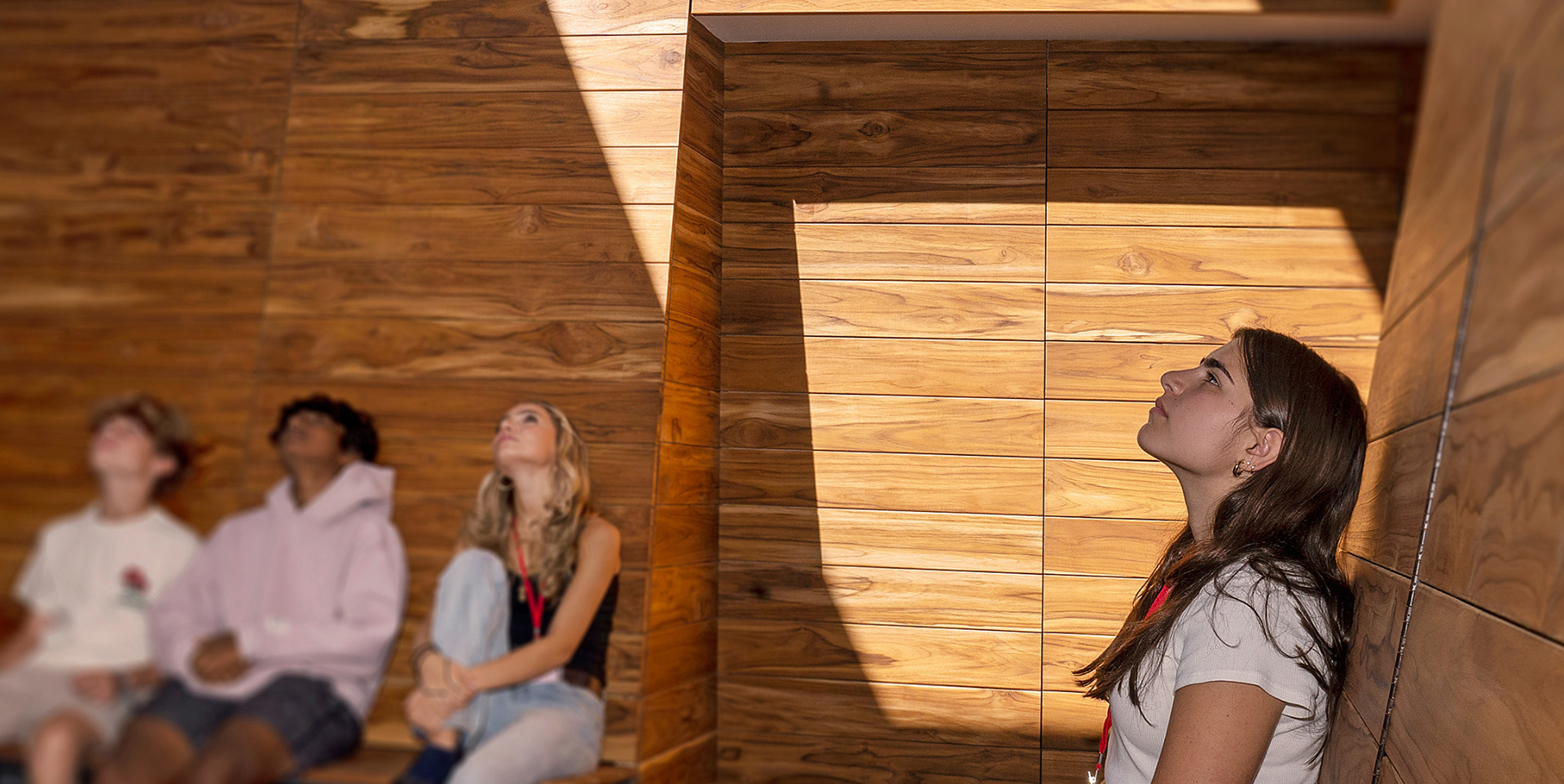
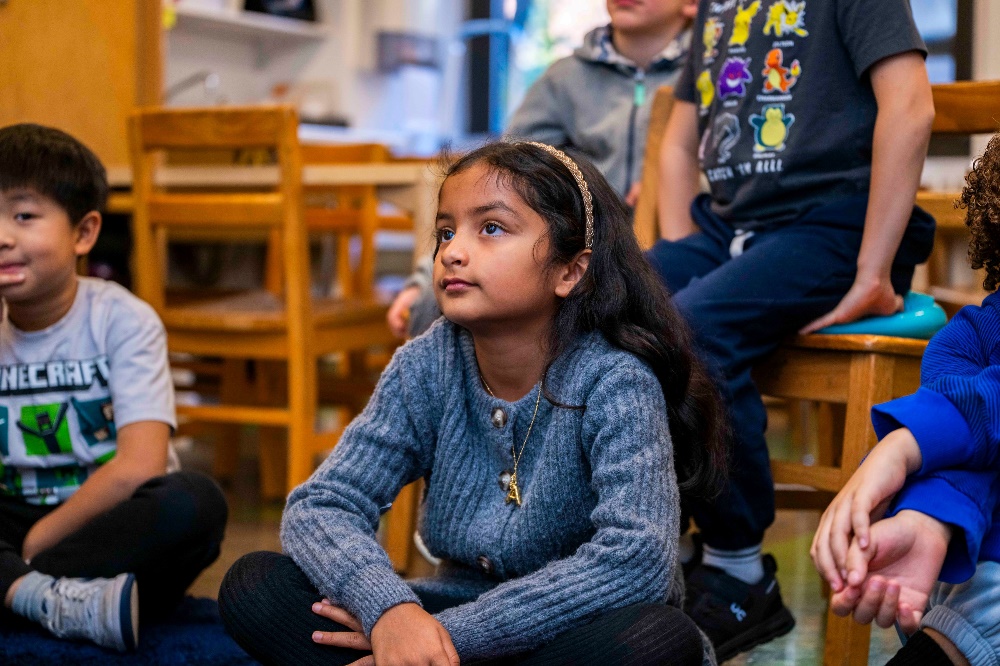
Even in the 21st century, Quaker education begins with the simplicity of silence. At Friends Seminary, classes often begin with a moment of quiet, and each week our community gathers in the Meetinghouse for extended silence and shared reflection.
Far from being old-fashioned, silence offers a rare gift in an overstimulated world: the chance to settle, to listen, and to hear one’s own thoughts more clearly.
In this spaciousness, understanding unfolds, ideas take shape, and a grounded sense of confidence emerges. Students learn to observe without rushing to conclusion, to listen without judgment, and to speak with intention. Silence becomes a practice of focus, presence, and openness—not the absence of sound, but the presence of possibility.
Educating the Whole Student
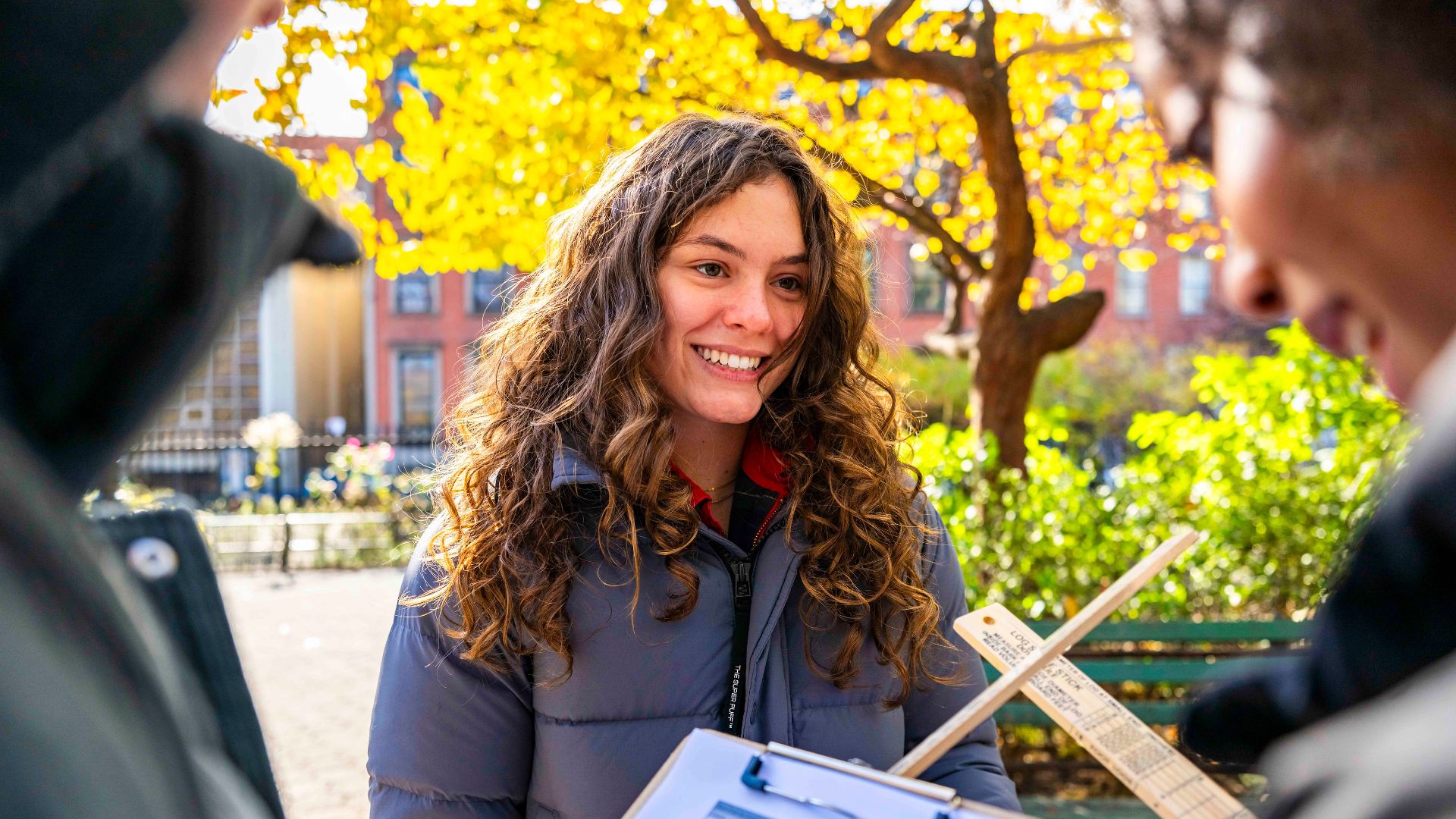
At its heart, Quaker education is about wholeness—seeing children in all their complexity, curiosity, capacity, and promise. Grounded in the enduring testimonies of simplicity, peace, integrity, community, equality, and stewardship, Friends education affirms both the individuality of each child and the transformative power of community.
Students graduate from Friends Seminary with strong academic foundations, yes—but also with empathy, resilience, self-awareness, and an orientation toward meaningful action. They leave with strong critical thinking skills, a disposition for leadership, the confidence to ask bold questions, and the compassion to listen deeply. They carry with them not only knowledge, but a reflective sense of purpose shaped by curiosity, strengthened by courage, and rooted in the belief that every person holds a personal connection to the Inner Light.