




What Quaker values look like in daily life at Friends Seminary
At Friends Seminary, Quaker principles become tangible in how students learn, how teachers teach, and how our community listens, reflects, and acts together each day.
Meeting for Worship
A Community Grounded in Quiet Reflection
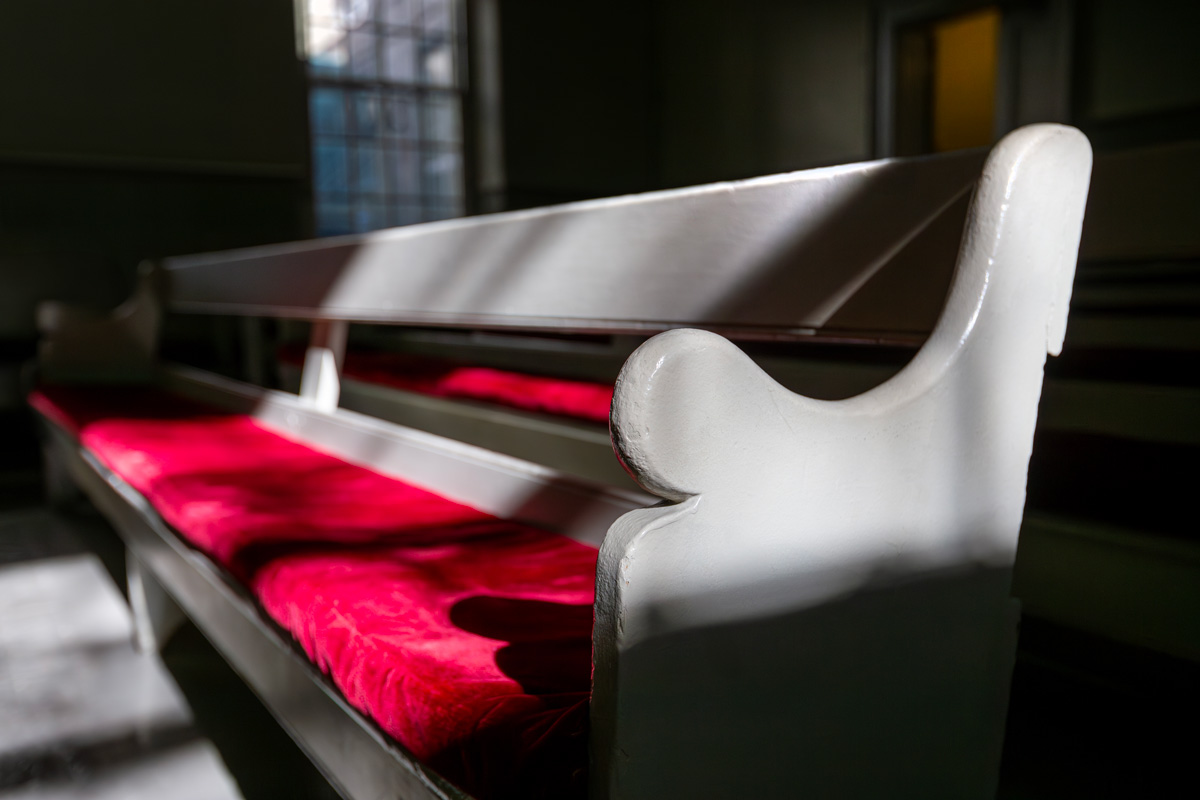
Each week, students and faculty gather in our Meetinghouse for Meeting for Worship—a period of shared silence rooted in the Quaker tradition of listening for inner wisdom and collective insight.
In this unhurried space, anyone may rise and speak if moved to do so. More often, the silence itself becomes the teacher. Students learn to be present, to hold stillness with others, and to recognize that quiet reflection is not an escape from the world, but a way of preparing to meet it with clarity and compassion.

The Simplicity of Silence in the Classroom
Moments of silence also frame the school day. Classes may begin with a brief pause that helps students center themselves, transition, and arrive with focus. In a fast-paced and overstimulated world, these small rituals create a sense of spaciousness—clarifying thinking, reducing noise, and inviting deeper intellectual engagement.
Silence becomes a tool for discernment: a chance to listen to one’s own mind, to others, and to the questions at hand.
Inquiry and Discernment
Teaching Students How to Think
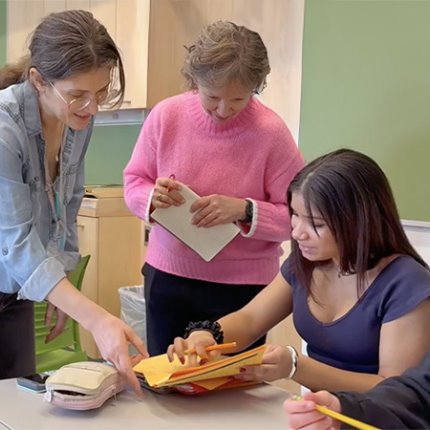
Inquiry is central to Quaker pedagogy. Rather than teaching students what to think, teachers design learning experiences that encourage them to ask bold questions, test assumptions, and approach knowledge as something co-constructed. In this model, understanding is not simply delivered by a teacher or extracted from a textbook; it is developed through dialogue, reflection, collaboration, and shared exploration. Students are encouraged to see themselves not as passive recipients of information, but as active participants in the learning process, contributing their own insights while remaining open to the perspectives and experiences of others.
Students learn through collaborative discussion, group work, close reading, analytical writing, and problem-solving that requires nuance. They practice skills they will rely on throughout their lives: listening deeply, responding thoughtfully, navigating ambiguity, and considering multiple perspectives with respect. Over time, this becomes not just a method of learning but a habit of mind.
Faith & Practice
Guiding Principles for Our Community
Quaker testimonies and practices provide a foundation for life at Friends, and these are described in our Faith & Practice—a living document, open to revision as we engage in the continuing search for truth. The core values—or testimonies—of simplicity, peace, integrity, community, equality and stewardship are lived daily through the practices of silence, study, service, diversity, equity, dialogue and Quaker decision making.
Together these principles inform everything from classroom culture to service work to how we treat one another in hallways, studios, playing fields, and shared spaces.
For a more detailed exploration, visit the Friends Seminary Faith & Practice website.
The Inner Light
Seeing the Good and the Possible in Each Student
A central Quaker belief is that every person carries an Inner Light—a spiritual and moral core that holds dignity, potential, and goodness.
At Friends, this inspires a student-focused approach that honors the gifts, questions, identities, and emerging voices of each child. Teachers create classes that encourage participation, leadership, empathy, and reflection. Students learn not only to trust their own insights, but to recognize and uplift the perspectives of peers.
Service and Stewardship
Learning Through Purposeful Action
Service is an essential expression of Quaker values. Students engage in meaningful community engagement, public purpose partnerships, and stewardship work at every grade level. Through these experiences, they learn that responsibility extends beyond the classroom—and that their actions can contribute to a more just and compassionate world.
A Culture of Courage and Curiosity
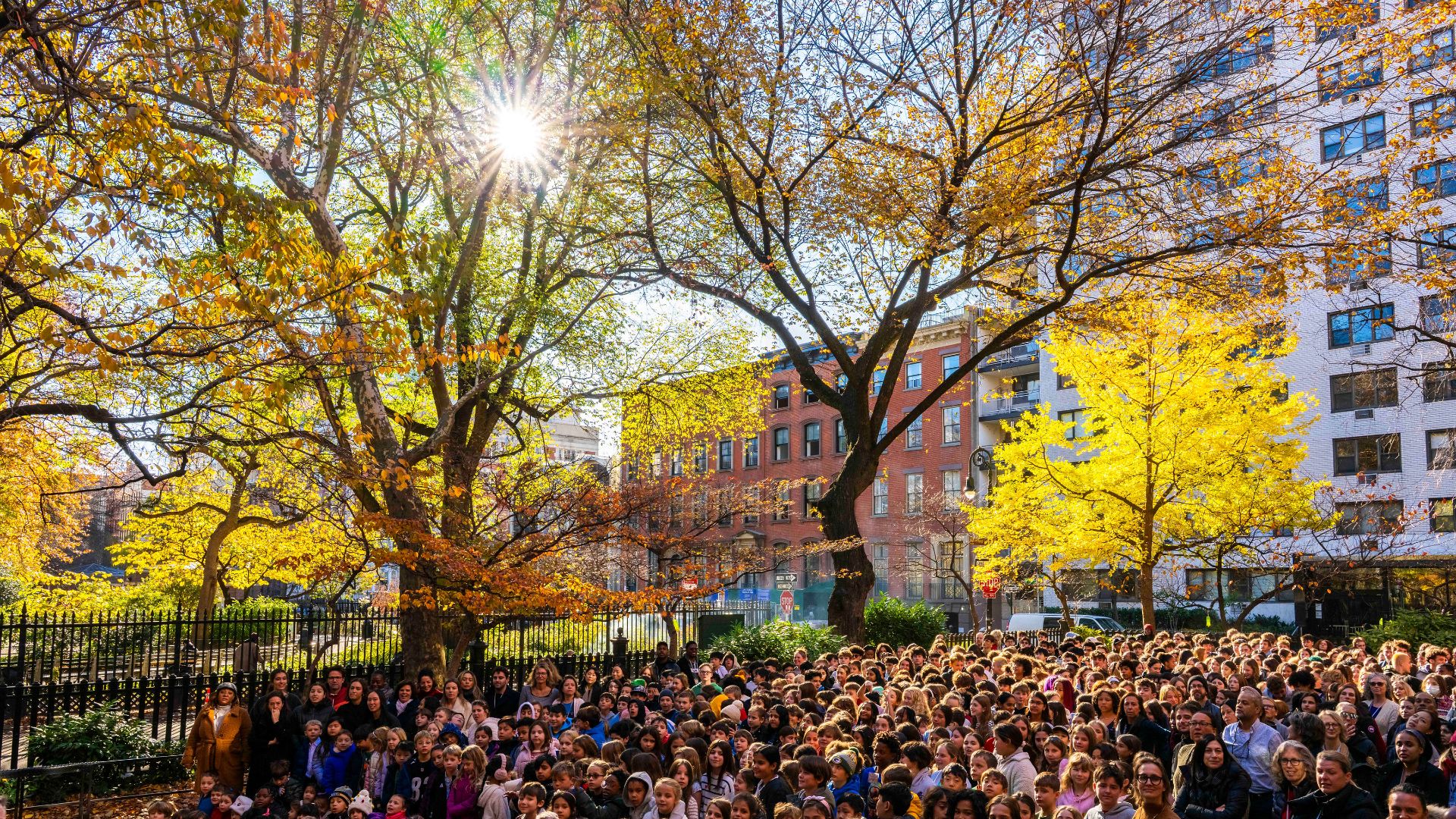
Ultimately, Quaker practice nurtures the conditions in which students can be both courageous and curious. They are encouraged to wonder, imagine, examine, listen, and question. They learn to bring coherence to complexity and to pursue understanding with both intellect and heart. And they are taught to act with courage on the basis of their convictions with compassion and humility.