.jpg "Our Campus")

Urban Tranquility in the Heart of New York City
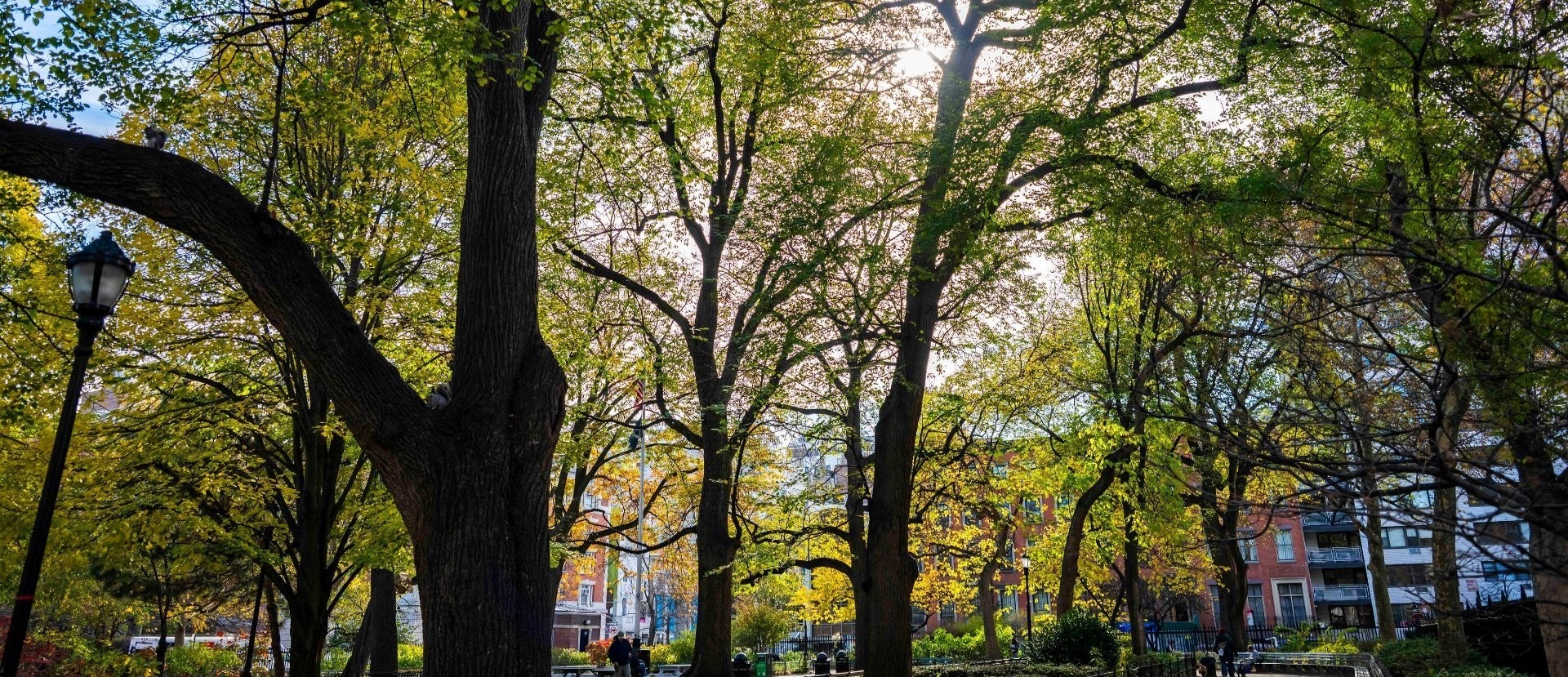
Just steps from museums, theaters, and cultural landmarks, our students use the city as an extension of the classroom. Within our walls, however, the pace slows. Here, learning is grounded in mindfulness, community, and purpose.
One Community, One Campus
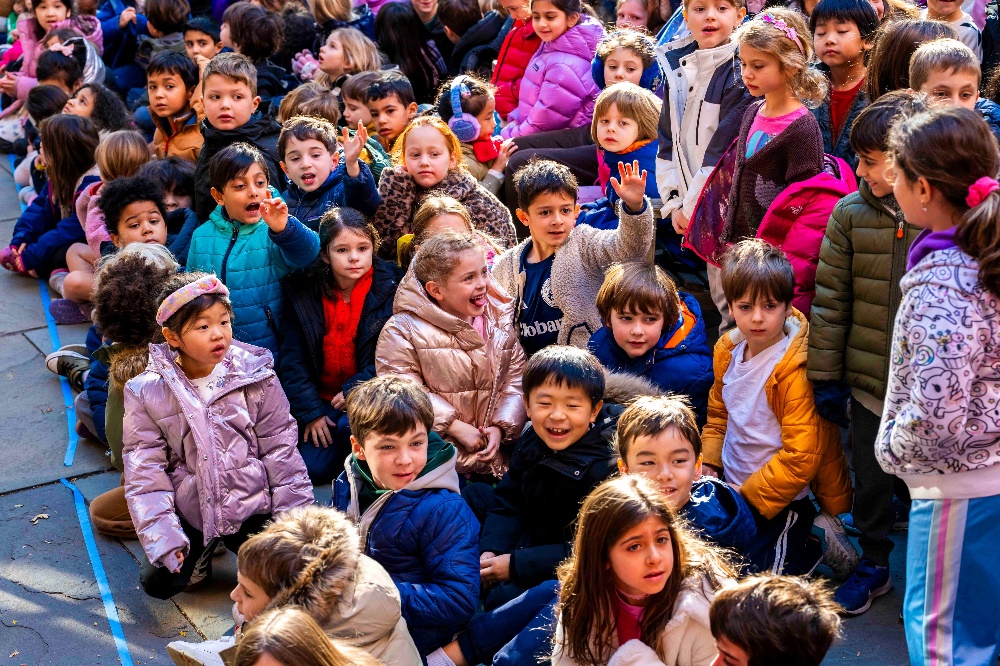
Friends Seminary is a K–12 community united on a single campus. From kindergarten through twelfth grade, students share the same hallways, libraries, gardens, and performance spaces. This cohesion fosters a culture of continuity and connection—older students model leadership, younger students witness what lies ahead, and friendships form across grade levels. The result is a community where growth feels both personal and collective, and where every student knows they are part of something larger than themselves.
A Campus Renewed
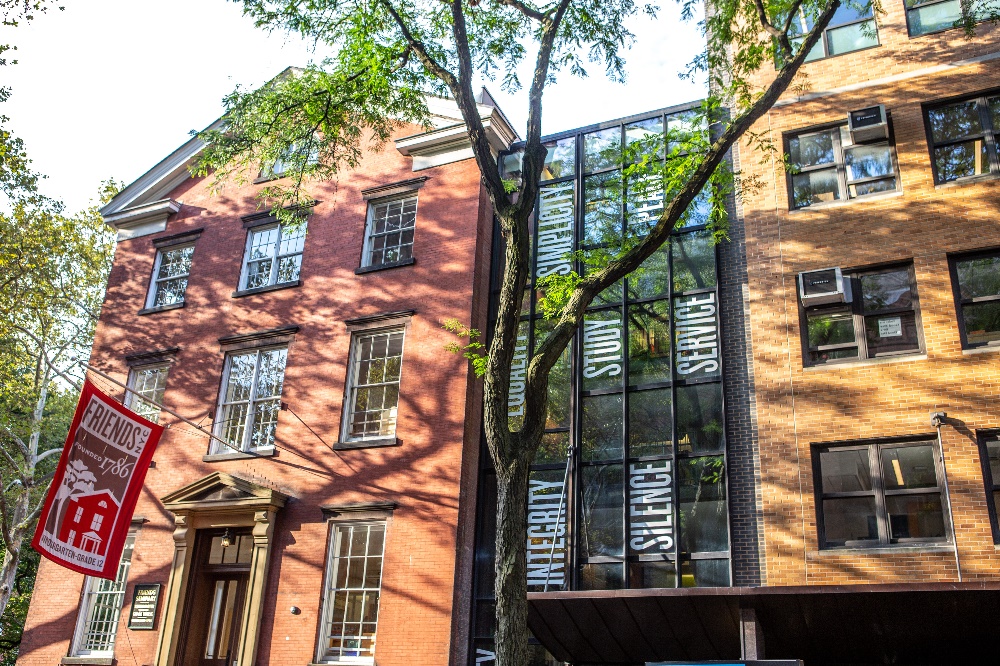
Friends Seminary’s campus is both historic and forward-looking, blending 19th-century architecture with 21st-century innovation. Over the past two decades, a series of thoughtful renovations have ensured that our spaces continue to meet the needs of students today and tomorrow. The Townhouse renovation was completed in 2019, while the Annex opened its reimagined spaces in 2024. Earlier projects, including upgrades to Hunter Hall and the Old Schoolhouse between 2006 and 2010, reflect our ongoing commitment to create an environment where curiosity meets courage in every corner.
A Cohesive Collection of Six Interconnected Buildings
Our campus is composed of six interconnected buildings that together form one unified community. Together, these buildings reflect the School’s enduring character: rooted in history, renewed for today, and ready for what comes next.
The Meetinghouse - A Quiet Space to Become Your Boldest Self
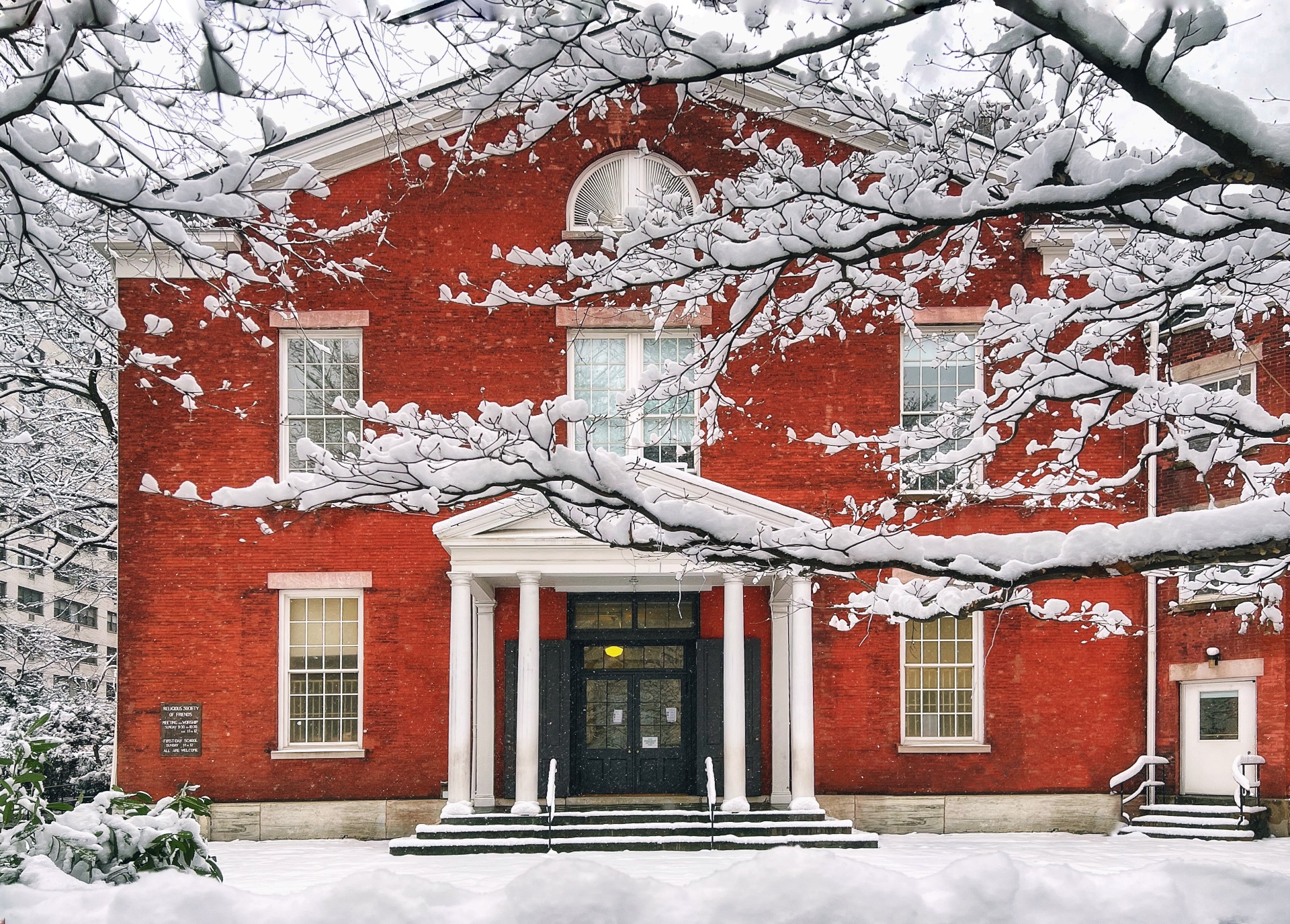
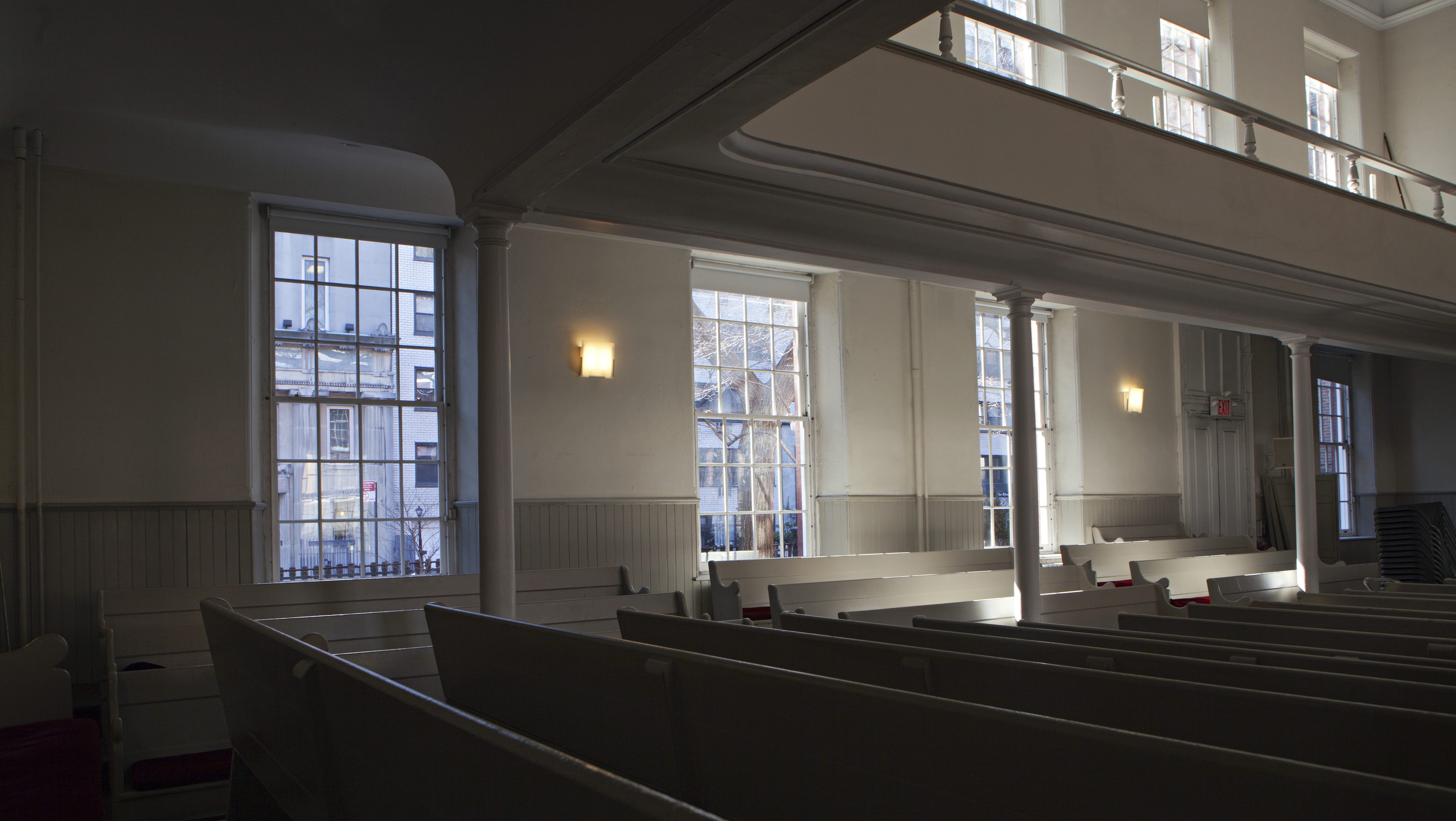
At the center of campus stands the 1860 landmarked 15th Street Meetinghouse, the spiritual and communal heart of Friends Seminary. More than an historic space, the Meetinghouse is where the entire community gathers for Meeting for Worship, pausing in silence to reflect, to listen, and to feel connected to one another. It anchors the life of the School, reminding us that education is not only about achievement but about discernment, courage, and service. The Meetinghouse remains a place where students return again and again—to find stillness, to gather strength, and to remember that boldness begins in quiet reflection.
Spaces for Learning and Collaboration
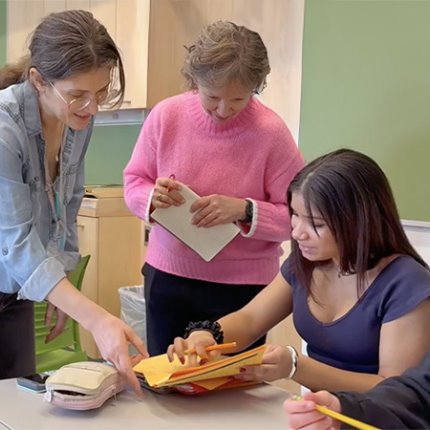
The academic program comes alive in environments designed to foster curiosity and collaboration. The Upper and School floors provide flexible classrooms and gathering areas like the Upper School Commons and Terrace that encourage dialogue and connection. Across divisions, students explore ideas in six science labs, a STEM lab for grades 7–12, a digital media lab, and the Mariana Wright Chapman Academic Center. Libraries in both the Lower and Middle/Upper Schools offer spaces for research, reading, and reflection, while collaborative spaces throughout the campus give students the chance to work across disciplines and ages.
Spaces for Arts, Athletics, and Wellness
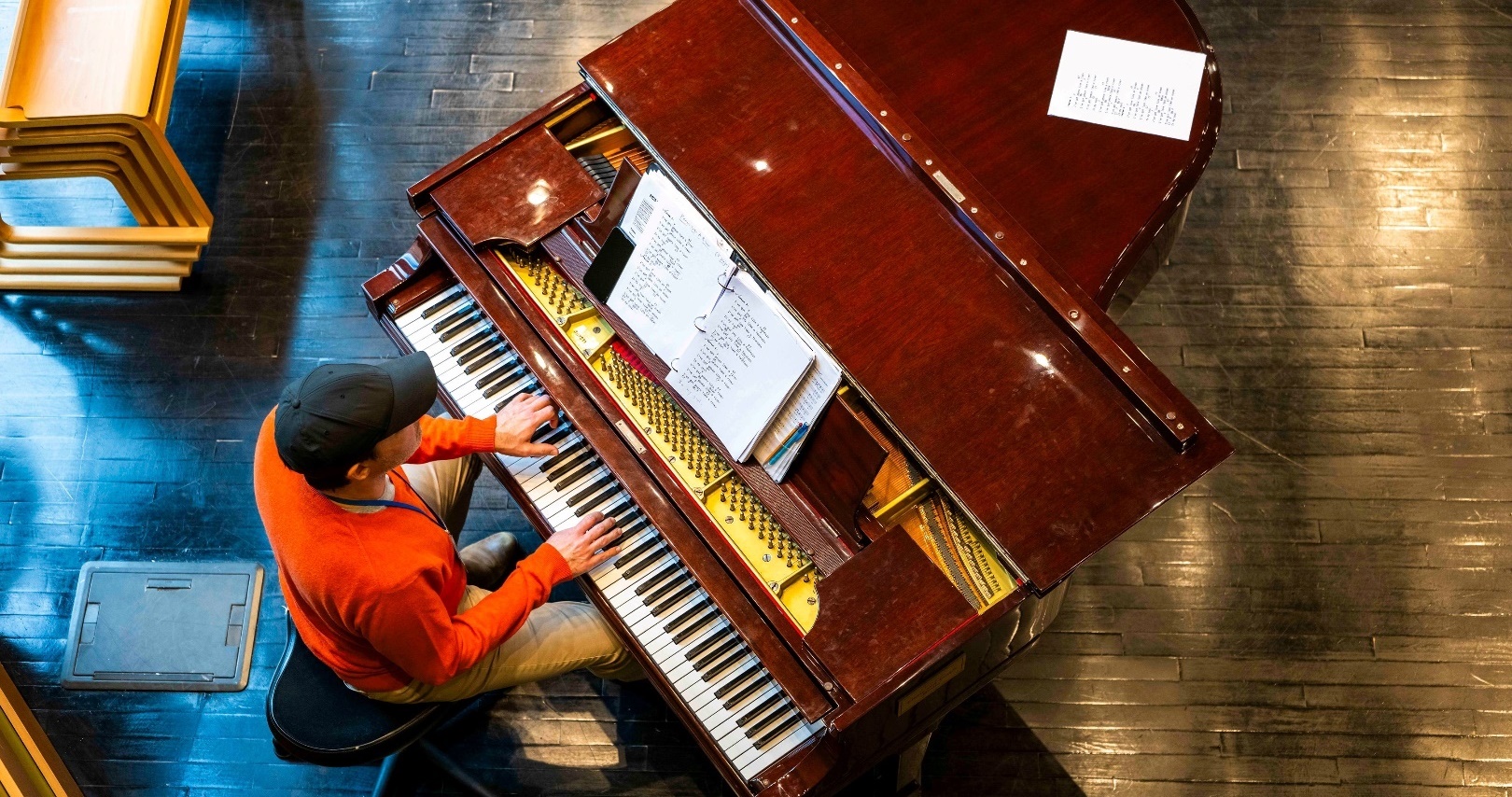
Creativity and movement are deeply connected at Friends. Students learn and rehearse in a dedicated music suite, create in six visual arts studios, and perform in a Blackbox Theater designed for experimentation and intimacy. A dance and yoga studio supports both artistic expression and physical wellness, while a fully equipped fitness center and K–12 gym — featuring an 80-foot climbing wall — encourage strength, teamwork, and resilience. Above the city streets, the turfed Skyfield provides a one-of-a-kind space for athletics and play, while multipurpose gathering areas like the multi-purpose Great Room bring the entire community together to celebrate achievement in every form.
Spaces for Innovation and Stewardship
Friends students learn to care for the world by engaging directly with it. A K–6 Makery invites younger students into design thinking and hands-on creation, while older students advance into digital media and STEM labs. The rooftop greenhouse and garden provide K–12 opportunities to study sustainability, food systems, and urban ecology. At the Center for Peace, Equity and Justice, students and faculty gather to engage in dialogue, pursue projects, and connect classroom learning with the work of building a more equitable and peaceful world.